Start Smart with Your First Testing Tools
What These Tools Actually Do
Everyday Types You’ll See on Shelves
Specs Explained in Real Words
Simple Safety Habits That Matter
Choosing Your First Multimeter Without Overthinking
Quick Electrical Checks at Home
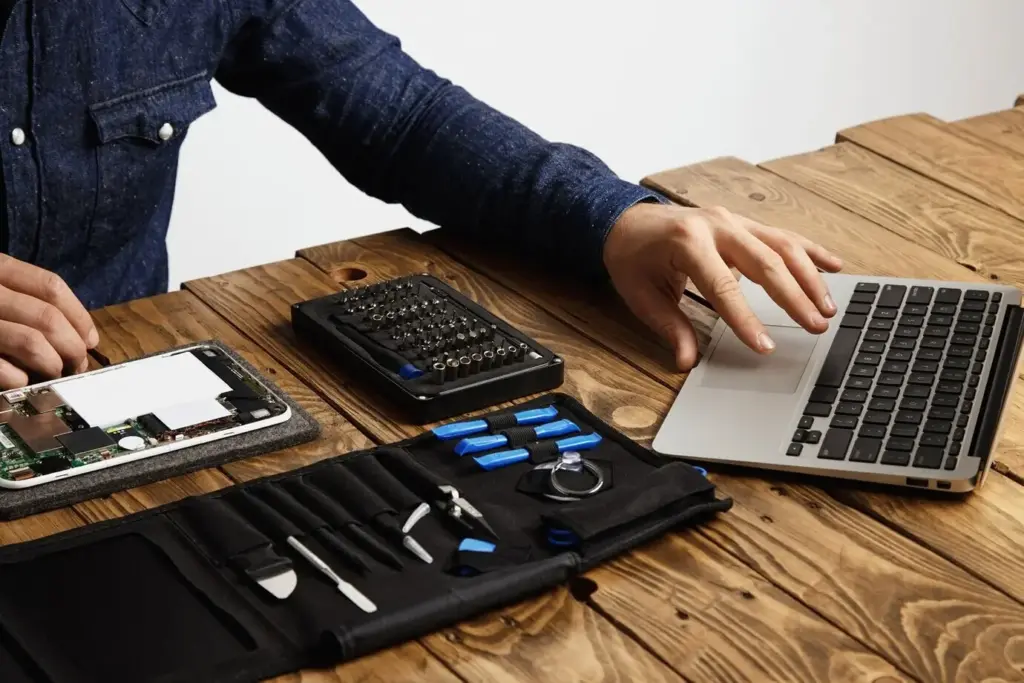
Cables, Work-From-Home Corners, and Calm Connections
Finding Faulty Patch Cords Before Meetings Start
A small cable tester with a remote end validates both ends in seconds, exposing intermittent failures that cause choppy calls. Keep it near your router, along with spare labeled cables. Testing before important sessions prevents frantic cable swaps during introductions. Mark the failed cord immediately and recycle responsibly. This tiny habit transforms your workspace from guesswork to routine checks, making every Monday morning feel steadier, calmer, and less embarrassingly unpredictable.
Entry-Level Features That Actually Help
Beginners benefit from clear pinout LEDs, audible indicators, and a rugged remote that does not vanish behind desks. Length estimation is nice, but not essential for short apartment runs. PoE detection helps avoid powering sensitive devices incorrectly. Prefer tools with secure battery doors and bright labels. A small zip pouch plus pre-cut Velcro ties turns a handful of cables and a tester into a tidy, confidence-building field kit.
Apartment-Friendly Toolkit Checklist
Pack a compact cable tester with remote, spare short and long patch cords, labeled zip ties, alcohol wipes for jacks, and a fine-tipped permanent marker. Add a flat Ethernet coupler for emergency extensions. Keep everything in one pouch with a laminated card describing test steps. Post a photo of your kit for feedback, and compare notes with readers who streamlined their setups through small, thoughtful choices that punch far above their cost.
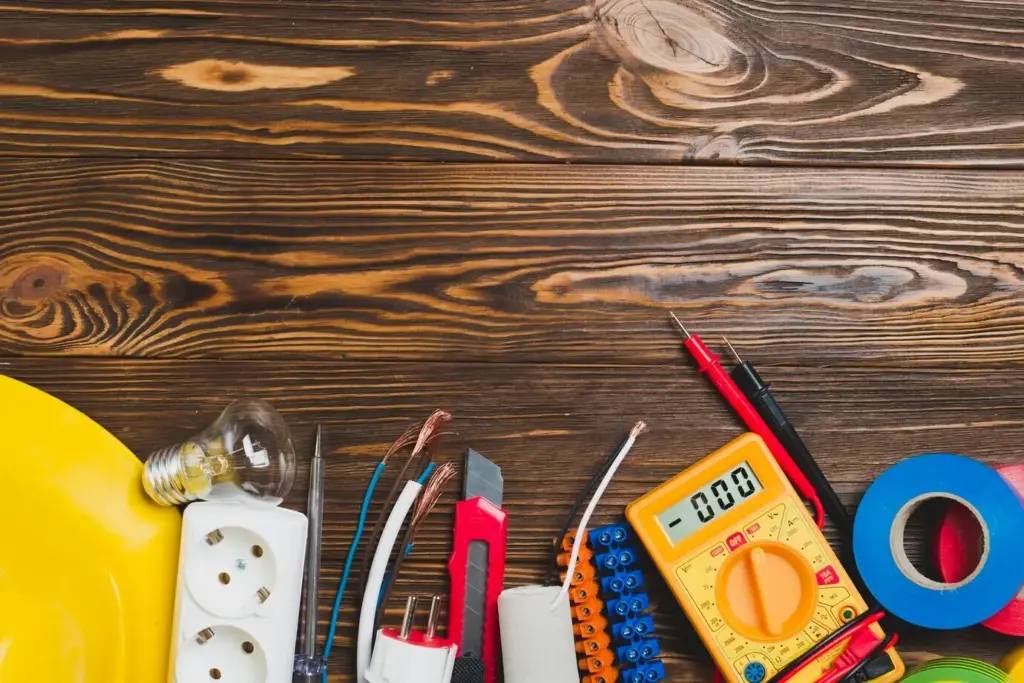
Water, Soil, and Air Readings for Everyday Wellness
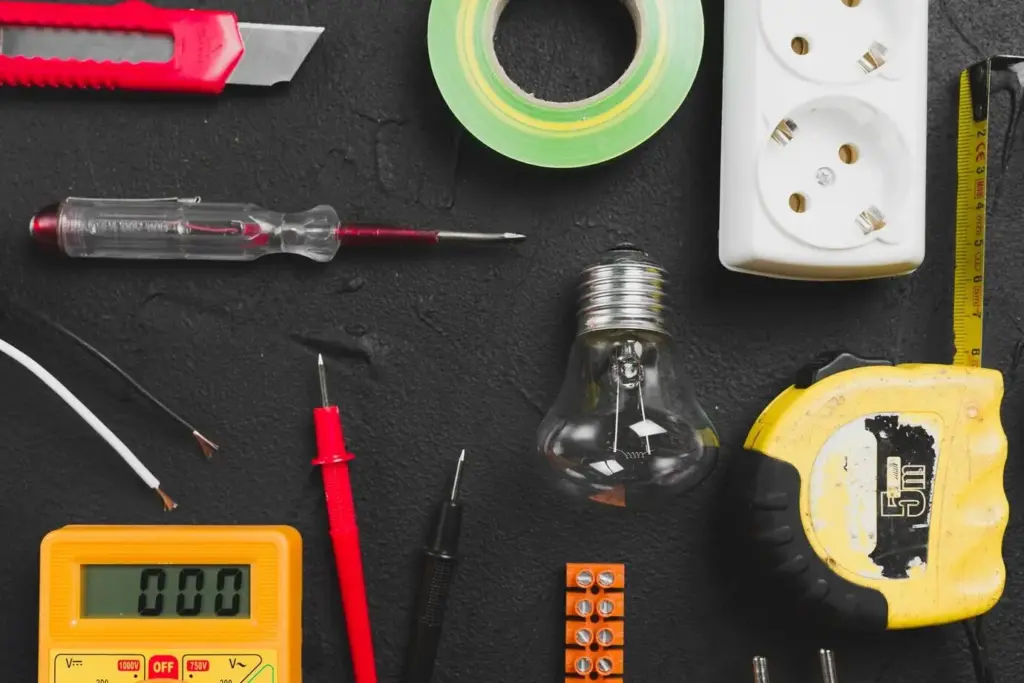
Reading Reviews Like a Pro
Warranty, Calibration, and Honest Accessories
When to Buy, Where to Save

All Rights Reserved.