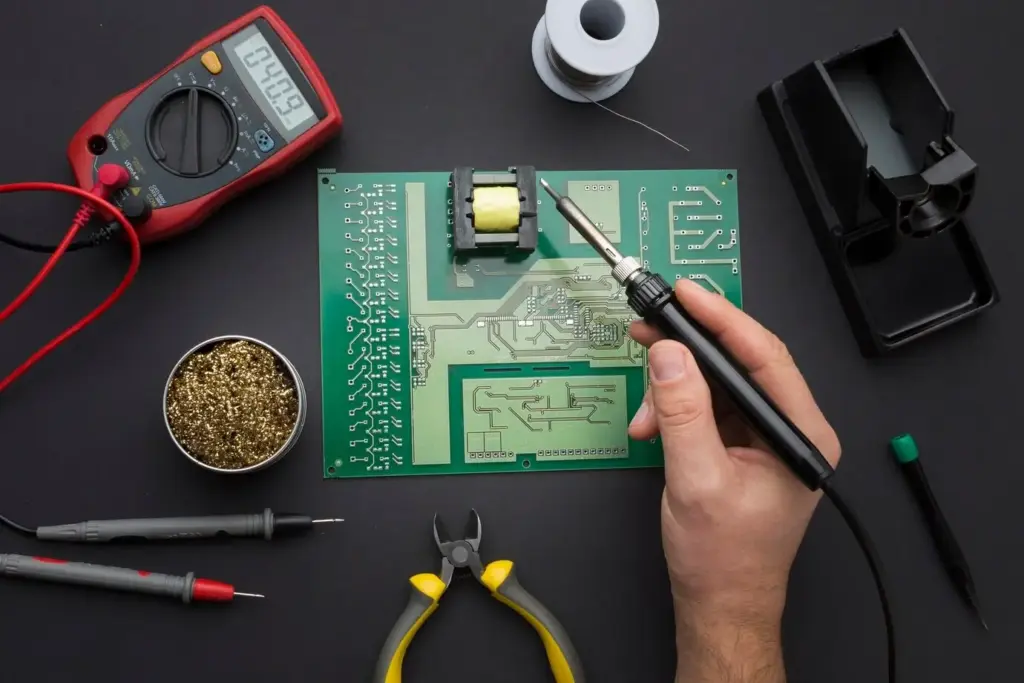
Your First Digital Multimeter, Demystified
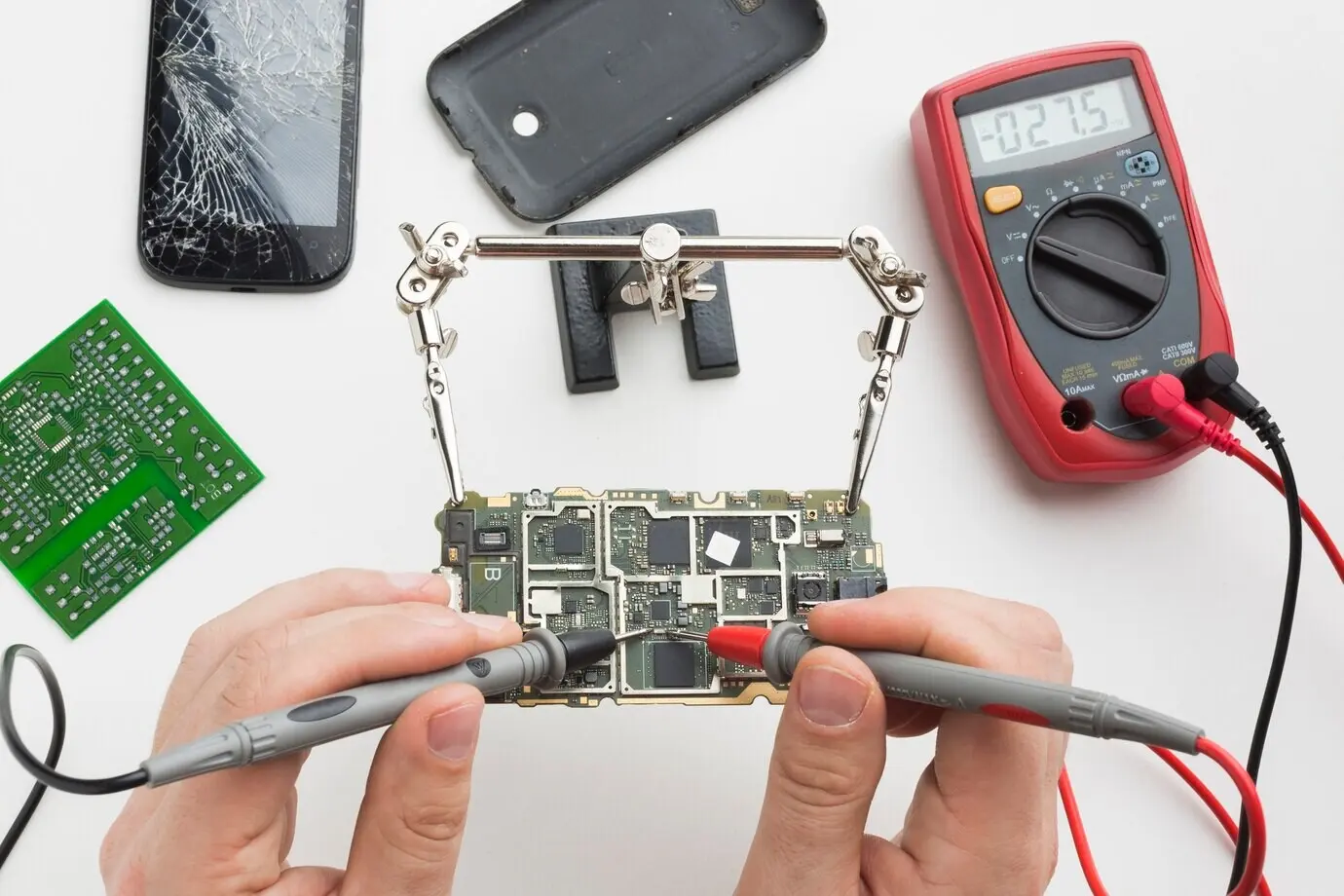
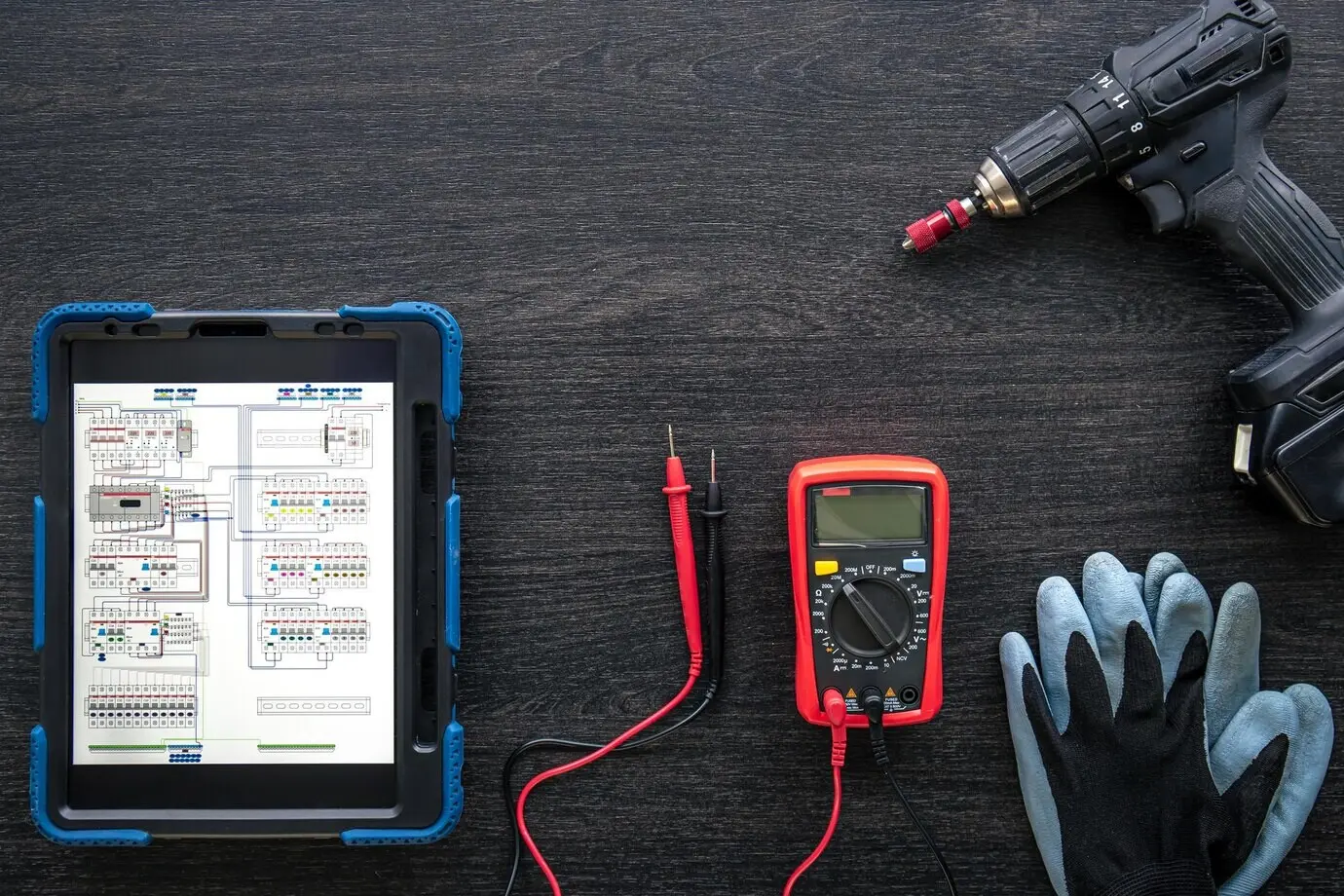
Step into measuring with confidence as we explore how to choose your first digital multimeter using a beginner-friendly feature checklist. We will decode safety categories, accuracy specs, useful modes, and ergonomic details, sharing practical examples and pitfalls. By the end, you will know what truly matters, what can wait, and how to invest wisely without compromising safety, reliability, or joy in everyday tinkering and troubleshooting. Share your questions and meter shortlists in the comments, and subscribe for more hands‑on guides.

Safety First: Understanding Ratings and Real Protection

Before any glossy display or dazzling feature list, a trustworthy multimeter must keep you safe. We will unpack CAT I–IV categories, transient overvoltage realities, robust fuses, blast shields, and creepage distances, explaining why proper input protection is non‑negotiable for mains work and even for unexpected spikes from inductive loads. Real stories from technicians illuminate how the right safeguards prevent ruined gear, painful shocks, and frightening near misses in busy workshops and home garages.

Decoding CAT Categories in Plain Language

Marketing labels can blur meaning, but CAT ratings are about surviving surges in specific environments. We compare outlet testing, switchboards, and control circuits, showing where CAT II, CAT III, and CAT IV belong. Learn to match your tasks, leads, and meter to realistic hazards, not optimistic packaging graphics.

Fuses, Blast Paths, and Input Protection That Matters

Fast-blow, high-rupture fuses and well-designed blast paths are more than jargon; they are sacrificial heroes that steer catastrophic energy away from you. We explain ceramic HRC fuses, proper spacing, MOVs, and PTCs, and how cheap clones cut corners you cannot see until something goes wrong.

Probes, Jacks, and Little Details That Save Fingers

Silicone-insulated leads, shrouded banana plugs, and solid strain relief feel like luxuries until a slip or arc proves otherwise. We compare probe tips, removable caps, finger guards, and jack spacing, and show how clear labeling and snug connectors reduce mistakes during cramped testing near live equipment.

Accuracy, Resolution, and Counts Without the Confusion
Spec sheets shout digits and percentages, but understanding resolution, accuracy, and counts helps you predict real performance. We break down 2000, 6000, and 20,000 count displays, basic DC accuracy, temperature drift, and reading stability, with examples showing when extra resolution clarifies a fault and when it simply decorates the screen.

Resolution Versus Accuracy: Seeing Versus Knowing

More digits let you see tiny changes, but only accuracy tells you whether those changes are real. We illustrate uncertainty with practical cases, like biasing an op-amp or balancing cells, and show how reference sources and comparison measurements keep expectations honest.

True-RMS, Crest Factor, and Messy Waveforms

Modern power supplies and motor drives produce distorted signals that average-responding meters misread. We explain true-RMS, bandwidth, and crest factor using everyday appliances, then suggest affordable options that correctly handle non-sinusoidal loads so your readings reflect power reality, not a neat but misleading textbook sine wave.

Modes That Earn Their Keep Day After Day

A long feature list means little if common tasks feel clumsy. We focus on the measurements you will use constantly—DC and AC voltage, fast continuity, resistance, diode check, capacitance, temperature, frequency, and duty cycle—highlighting thoughtful implementations that save time, reduce frustration, and reveal faults earlier.

Autoranging That Keeps Up With You

Slow autoranging turns simple checks into patience tests. We compare sample rates, range-switch delays, and smart algorithms that predict stable ranges. Field anecdotes show how responsive meters shorten fault isolation on HVAC boards and solar inverters, while stubborn units encourage risky habits like switching ranges mid‑probe.

Displays, Backlights, and Characters You Can Read

Crisp fonts, high contrast, and even illumination reduce squinting and mistakes. We explore segment size, viewing angles, and dual-display tricks, plus pitfalls like short-lived backlights and glare. Learn settings that preserve battery life while keeping readings legible in basements, attics, and sunlit driveways.

Holds, Relatives, and Min/Max for Hands Too Busy

One hand on a probe, the other steadying a panel leaves none for a notebook. We highlight hold, relative zero, and min/max capture, showing how they freeze fleeting values and organize troubleshooting sequences so you document results without stopping the task or losing focus.

Ergonomics and Interface: Feel Counts Too

Good measurements depend on an interface that disappears in your hands. We examine autoranging speed, rotary-switch detents, button placement, backlight quality, stand stability, magnet hangers, and case texture, explaining how these small touches keep you accurate when balancing on ladders, behind equipment, or under dashboards.

Power, Durability, and the Long Game

Batteries, enclosures, and serviceability determine whether your meter becomes a daily companion or a drawer relic. We compare AA, AAA, and 9V options, auto power‑off behavior, gasketed cases, screw types, and calibration access, emphasizing small design choices that keep tools trustworthy for years.

Battery Life and Auto Power‑Off Habits

Long sessions should not die with a blank screen. We estimate runtime across backlight settings, outline indicators that warn before failure, and describe auto power‑off delays that save energy without interrupting workflows, sharing checklists that prevent surprises during field calls or late‑night bench sessions.

Cases, Holsters, and Surviving the Occasional Drop

Rubberized holsters, internal ribs, and recessed screens turn clumsy moments into forgettable bumps. We compare drop ratings, stand sturdiness, and tilt angles, and explain how a simple magnetic strap can free hands safely when tracing conductors inside panels or crouching behind appliances.

Stretching a Budget Without Sacrificing Essentials

Start small yet safe by prioritizing protection, accuracy, and the modes you will actually use. We propose a path that begins with a reliable entry model, then grows through better leads, add‑on probes, and niche tools as your projects expand and confidence deepens.

Brands, Clones, and Reading Between the Lines

Great reputations form for reasons, yet excellent newcomers exist. We compare warranty terms, third‑party teardowns, and independent safety tests, helping you separate solid engineering from look‑alike shells. Learn to read datasheets critically and verify claims with community reviews and real teardown photos before committing.

Quick Checks the Day It Arrives

A few minutes prevent long frustrations. We outline acceptance checks using a known outlet, a coin cell, a 1‑kilohm resistor, and a simple mains test lamp, verifying ranges, polarity, continuity speed, and input protection labeling before your return window quietly closes.
Nexokarovexozavo
Privacy Overview

This website uses cookies so that we can provide you with the best user experience possible. Cookie information is stored in your browser and performs functions such as recognising you when you return to our website and helping our team to understand which sections of the website you find most interesting and useful.