Plug In Confidence: Your First Steps to Reliable Home Ethernet

Whether you’re wiring a new room or taming a nest of patch cords, starter network cable testers for DIY home Ethernet setup give you instant clarity about continuity, pair order, and hidden faults. Let’s explore how these small tools prevent headaches, save weekends, and build dependable connections.

What Those Blinking LEDs Are Really Telling You

Those simple patterns of lights reveal whether pins align to T568A or T568B, expose opens and shorts, and flag dreaded split pairs that sabotage gigabit speeds. Understanding the dialogue between main and remote units turns guesswork into clear, confident decisions during every run.

Choosing a Beginner-Friendly Tester Without Overbuying

Essential Features That Truly Help at Home

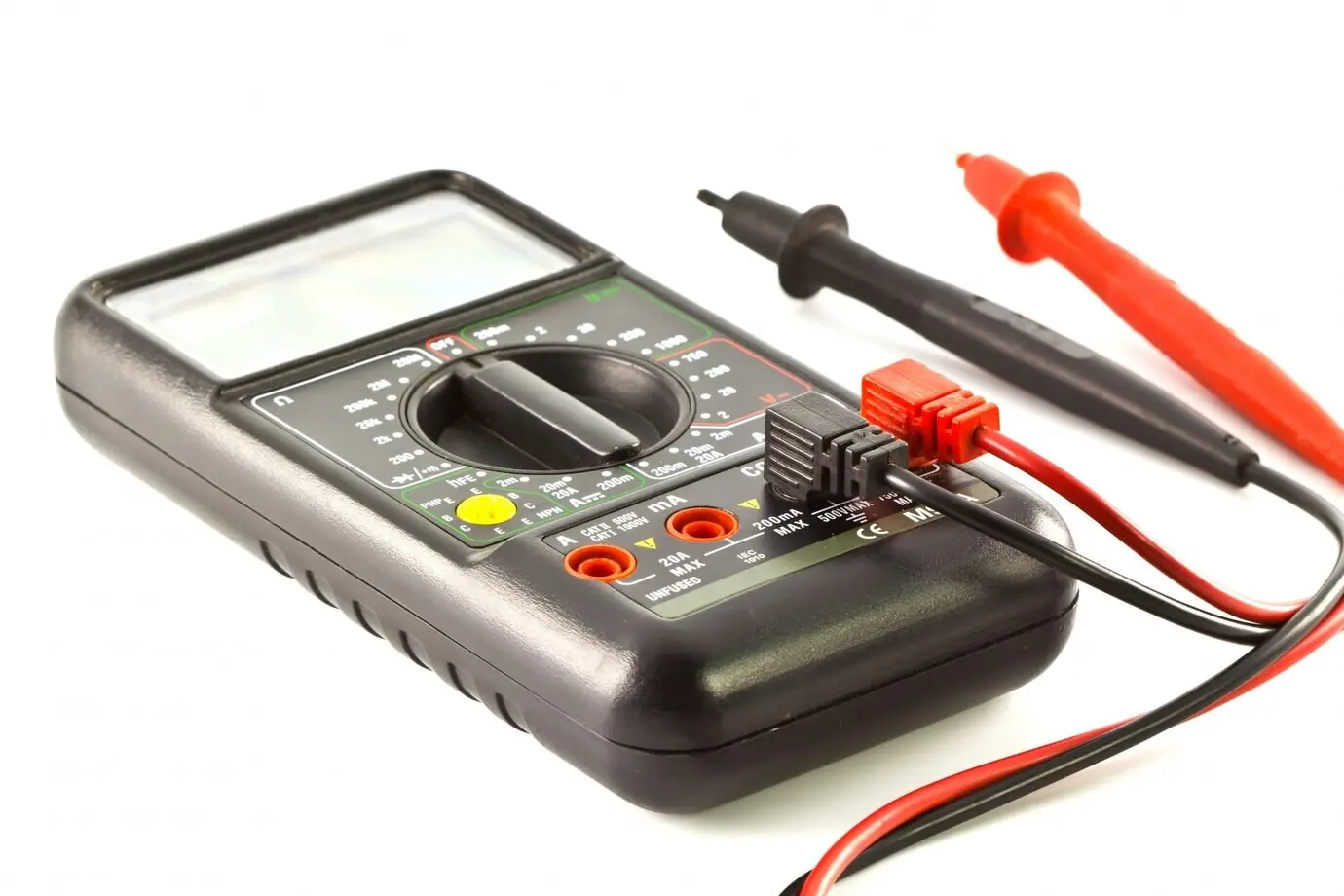
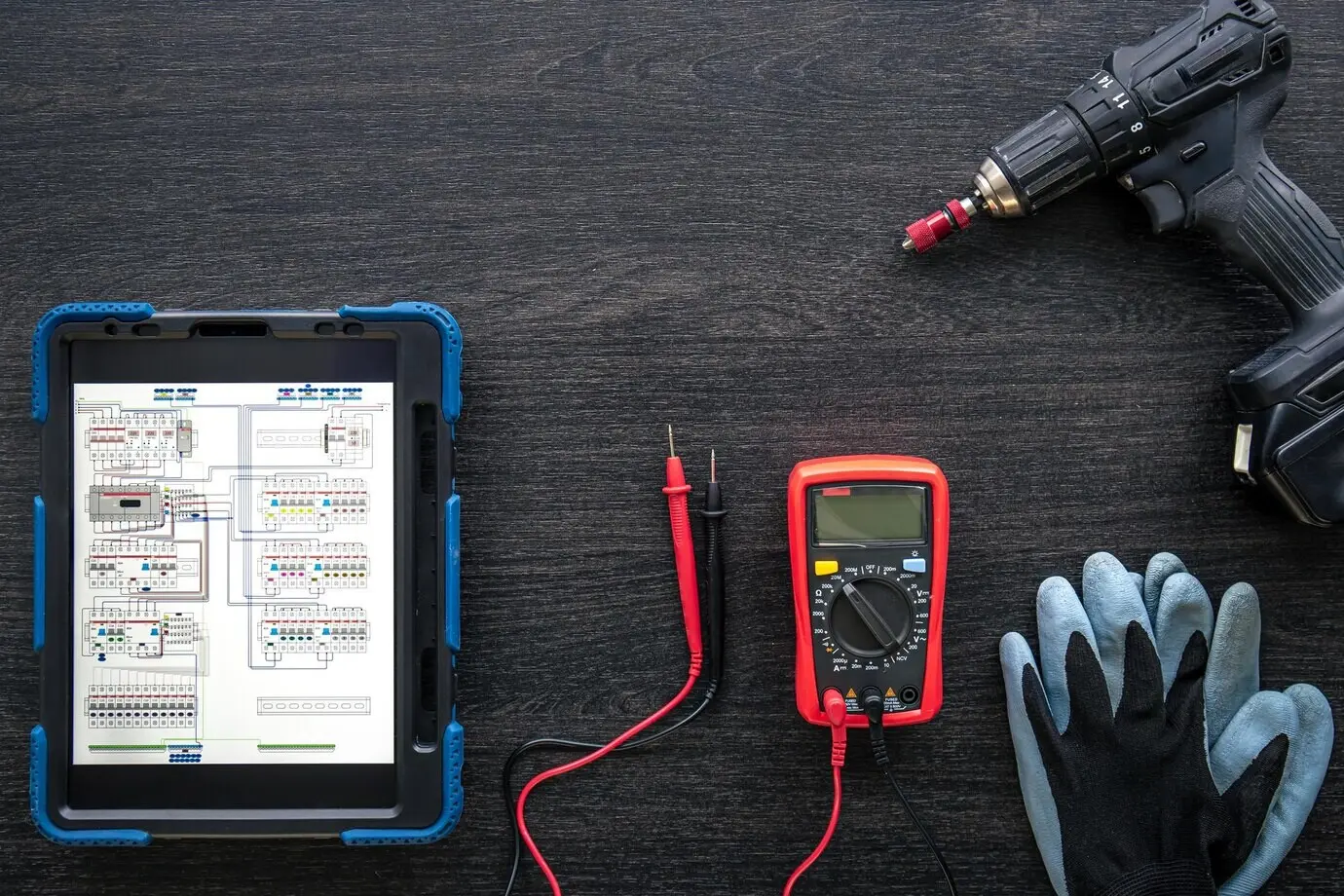
Look for sequential pair indicators, a remote that nests inside the body, and housings that shrug off toolbox bumps. A soft case and spare battery slot help too. If the unit labels pass, fail, or split pairs clearly, beginners gain instant confidence.
When to Add a Tone Generator and Probe

When cables vanish into walls, adding a tone generator and probe turns chaos into order. You feed a chirp into the jack, then follow the song through the bundle. Even budget probes can quickly reveal the right panel port without guesswork.

Reading Spec Sheets and Real-World Reviews

Specifications are helpful, yet translated marketing sometimes confuses. Cross-check manuals for pinout diagrams, battery type, and split pair detection notes. Then read field reports from homeowners who punched dozens of jacks. Patterns in their praise or complaints predict your weekend far better.

A Weekend Workflow That Actually Works

Good results flow from calm planning. Sketch cable paths, measure slack generously, and choose T568B unless your building already uses T568A. Label both ends before crimping anything. Test after every connection, not after the entire house, so fixes stay easy and localized.

Plan the Runs, Label Everything, Breathe

A simple label maker or painter’s tape beats memory every time. Mark wall plates, patch panel positions, and cable lengths. Leave a legend inside the panel door. When something misbehaves later, you will thank past you for breadcrumbs that shorten diagnostics.

Crimp, Test, Repeat Until Results Sing

Crimp straight, keep twists tight to the plug, and avoid nicked conductors. After each end, run a quick map test. If numbers do not align, recut before installing the plate. Iterating fast prevents repainting walls or recrawling attic spaces in frustration.

Troubleshooting Miswires Before They Haunt Streaming Night

Streaming nights should be about popcorn, not packet loss. Basic testers quickly reveal wiring faults that masquerade as flaky Wi‑Fi or a bad router. By learning common failure patterns, you can fix problems at the source before they ripple through everything.

Open, Short, Reversed: Decoding the Classics

An open means a break; a short means contact where none belongs; reversed pairs swap positions. Each fault produces a distinct LED story. Recognizing those stories speeds repairs, whether that means recrimping a plug, repunching a jack, or replacing a damaged section.

Split Pair Symptoms in the Real World

A network that limps only under heavy loads often hides split pairs. Symptoms include video artifacts, sporadic slowdowns, and retransmissions that vanish when you drop to Fast Ethernet. Testing pin partnership exposes the mismatch so your cabling finally supports the speeds advertised.

Respect PoE and Live Networks

Before plugging anything in, confirm whether the line carries PoE or unknown voltages. Many budget testers are not hardened for power. Use an inline PoE detector or disconnect injectors first. A minute of caution preserves both your tool and your switch.

Battery Habits and Storage That Prevent Sad Sundays

Dead batteries love to appear right after stores close. Keep spares, avoid cheap cells that leak, and remove them during long pauses between projects. Store the tester in a dry bag, not in a sweltering attic, to protect plastics and contacts.

Stories from the Patch Panel: Wins, Fails, and Lessons

Everyone remembers their first successful patch panel. Mine came after a Saturday detour chasing a mislabeled keystone that looped two rooms. A humble tester exposed the swap, morale returned, and streaming resumed. Share your victories and pitfalls so newcomers learn faster.
Nexokarovexozavo
Privacy Overview

This website uses cookies so that we can provide you with the best user experience possible. Cookie information is stored in your browser and performs functions such as recognising you when you return to our website and helping our team to understand which sections of the website you find most interesting and useful.