Start Safely: Non-Contact Voltage Testers for Confident DIY Beginnings

Today we focus on the best non-contact voltage testers for novice DIYers, spotlighting practical choices that build confidence from the first project. Expect clear guidance on how they work, which features matter most, common pitfalls to avoid, and real-world routines that protect you, your tools, and your home from preventable mistakes.

Why This Small Tool Inspires Big Confidence

A reliable non-contact voltage tester transforms hesitation into calm, repeatable checks that stop accidents before they start. For beginners, it removes the fear of touching unknown conductors by translating invisible electric fields into obvious light, sound, or vibration. With a quick pass near wires, outlets, and fixtures, you verify danger without contact, buying precious clarity when decisions matter most.

Features That Make First Projects Feel Effortless

{{SECTION_SUBTITLE}}

Bright, Unmistakable Alerts You Can Trust Under Pressure

For beginners, color-coded LEDs and loud beeps prevent misreads in noisy rooms or bright daylight. Some testers add vibration for silent confirmation in shared spaces. Clear, escalating alerts reinforce instinctive caution, prompting you to step back, rethink, and double-check. When you cannot spare cognitive load, obvious signals do the heavy lifting, converting ambient uncertainty into simple direction that protects both hands and confidence.

Sensitivity and Selectable Ranges Explained Simply

Adjustable sensitivity reduces false alarms from induced fields and helps the sensor find the true hot among bundled conductors. Dual-range testers distinguish low and standard household voltages, filtering confusing signals in complex boxes. That control shortens learning curves, allowing you to confirm results from different angles, on different cable jackets, and near junctions, where interference tends to cluster and trick nervous, hurried checks.

Clear Comparisons to Guide a Confident Purchase

With countless choices, a beginner-friendly shortlist saves time and avoids frustration. Look for trusted safety markings, consistent alert behavior, and clear documentation. Popular picks include simple, robust sticks that emphasize unmistakable signaling over gimmicks. Favor models with replaceable batteries, sturdy tips, and well-reviewed durability. Reliability under stress beats exotic features, especially when your first real test happens during an anxious, high-stakes moment.
Step-by-Step Use in Real Home Situations

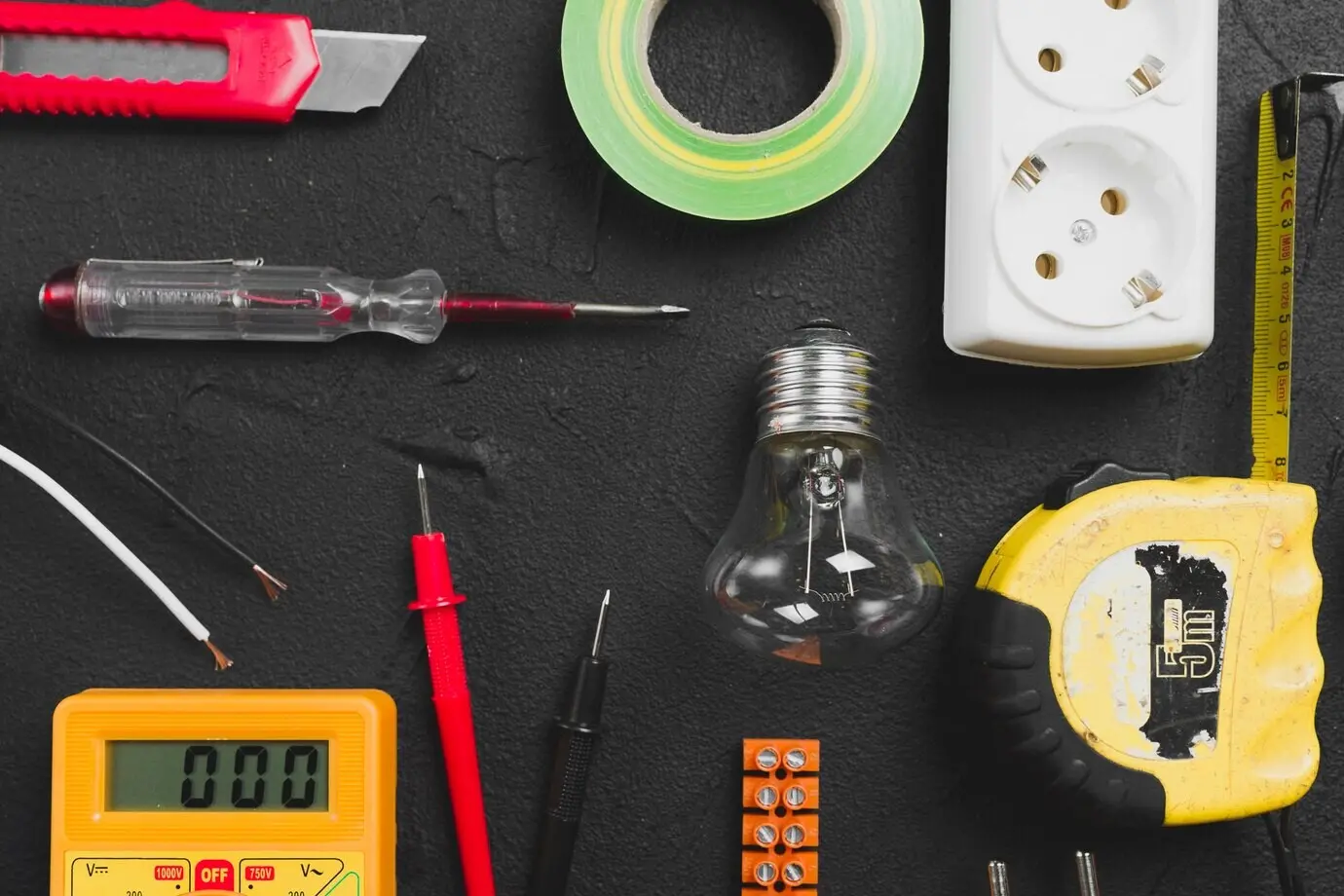
Familiar spaces hide surprising risks: shared neutrals, mislabeled breakers, and switch loops that confuse even attentive eyes. A structured approach turns chaos into order. Scan before touching, move slowly, repeat checks after mechanical changes, and confirm with a known live source. This rhythm reduces rushed decisions, stabilizes your heart rate, and maps the invisible, transforming messy boxes into calm, readable electrical stories.

Safety Ratings, Ranges, and the Habit That Prevents Surprises

A trustworthy stick matches your environment’s category rating and voltage exposure. Homes commonly live within CAT II and CAT III contexts, especially at service panels and longer branch circuits. Most testers detect AC only, missing DC from batteries or some smart controls. Adopt a live–dead–live routine every time to defeat battery failures, misreads, and nerves when silence or noise could both be misleading.

Ghost Voltage, Static, and Interference Made Understandable

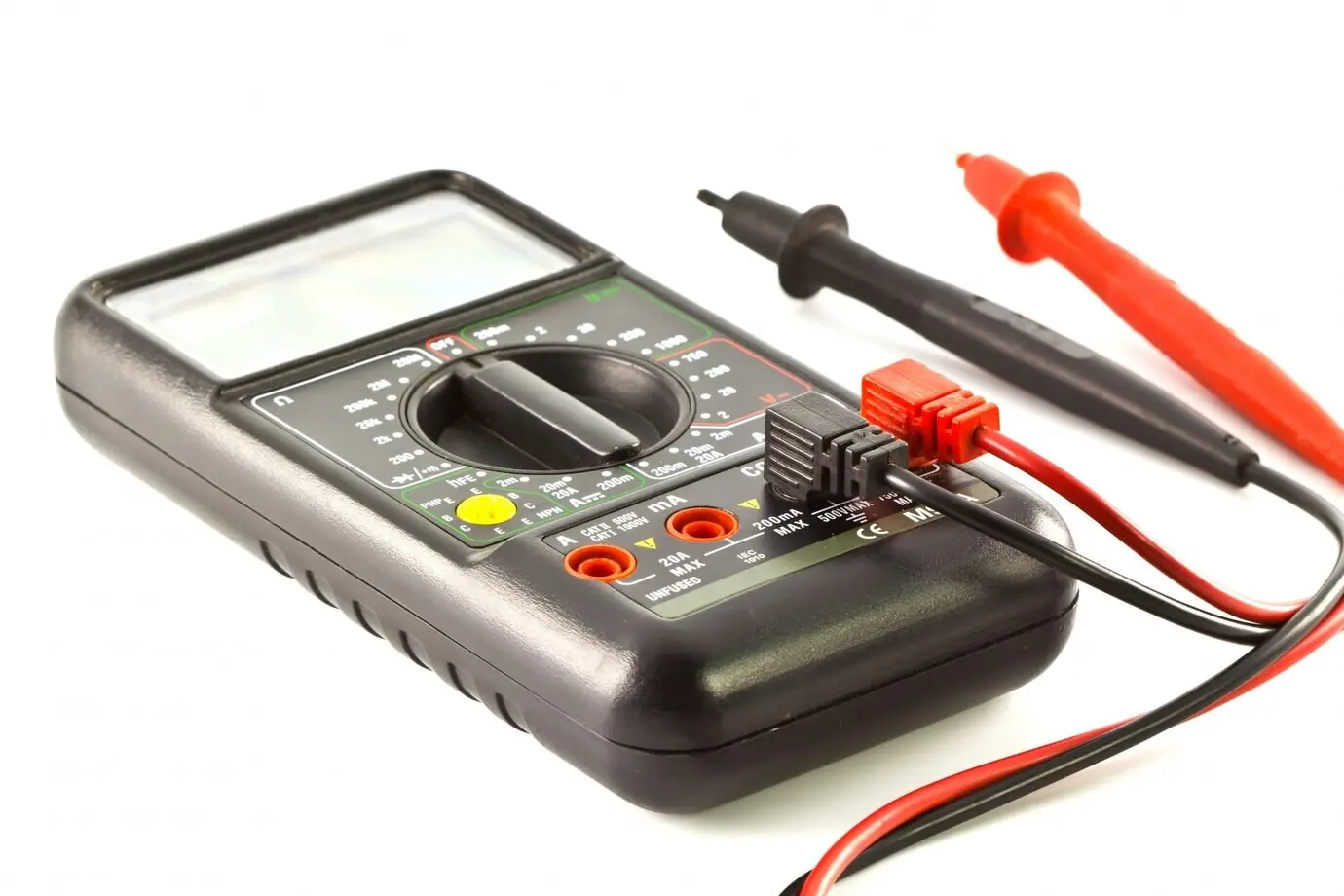
Parallel conductors can share energy through capacitance, creating alerts on wires that are not truly energized. Synthetic clothing, dry air, and some USB chargers also stir misleading signals. Move slowly, change orientation, adjust sensitivity if available, and compare readings away from bundles. When in doubt, reinforce with a multimeter or two-pole tester, turning faint hunches into concrete answers that calm hurried decision-making.

Batteries, Storage, and Gentle Habits That Pay Off

Weak batteries mimic failure at the worst moments. Replace them on a schedule, keep spares, and use auto power-off to stretch life. Wipe dust, avoid soaking humidity, and protect the tip from drops. Periodically verify on a known live outlet even when you are not troubleshooting, building muscle memory that makes correct checks happen automatically under time pressure or emotional stress.
Nexokarovexozavo
Privacy Overview

This website uses cookies so that we can provide you with the best user experience possible. Cookie information is stored in your browser and performs functions such as recognising you when you return to our website and helping our team to understand which sections of the website you find most interesting and useful.